





Rural Women Cultivating Change
MIDLINE PROJECT IMPACT
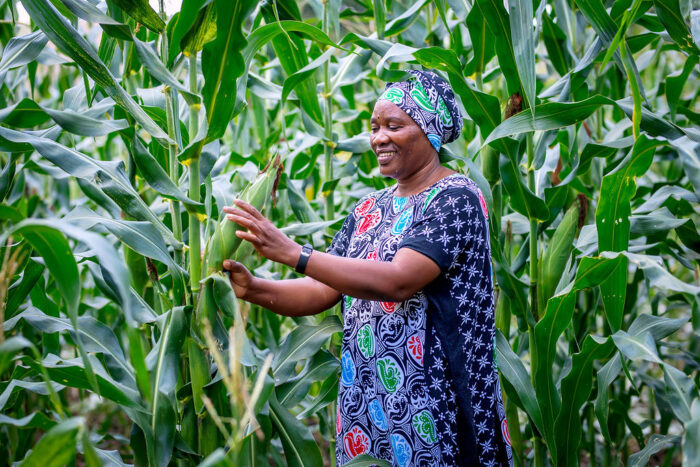
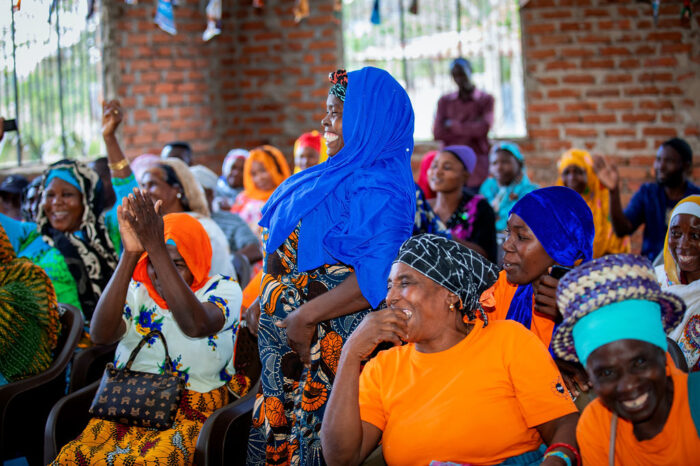
Rural Women Cultivating Change (RWCC) is a six-year, $15.5 million project that strengthens the leadership, resilience, and rights of rural women in Ethiopia, Kenya, and Tanzania. Funded primarily by Global Affairs Canada, the project is implemented by SeedChange in collaboration with seven local partners and with support from Coady Institute in Canada.
At its midline point, the RWCC project has made significant strides in empowering young and adult women smallholder farmers, advancing gender equality, and strengthening climate-resilient food systems. This page highlights the impact of gender-transformative agroecology, shares key findings from midline evaluations, and showcases stories from project communities.
Key Findings & Major Highlights
Here are the emerging lessons of the Rural Women Cultivating Change (RWCC) project at its midline point.
KEY FINDINGS & MAJOR HIGHLIGHTS
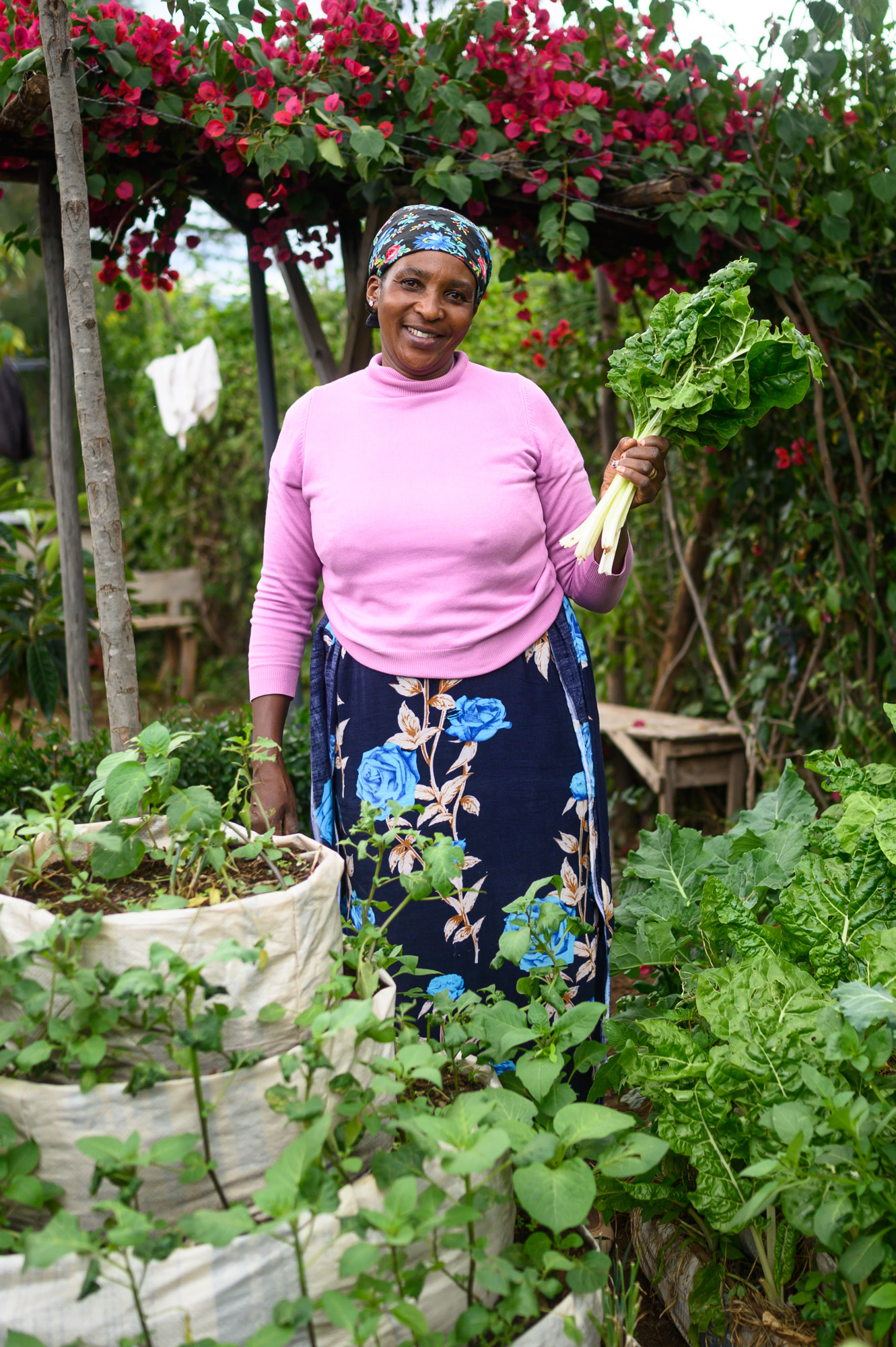
Women’s Empowerment & Leadership:
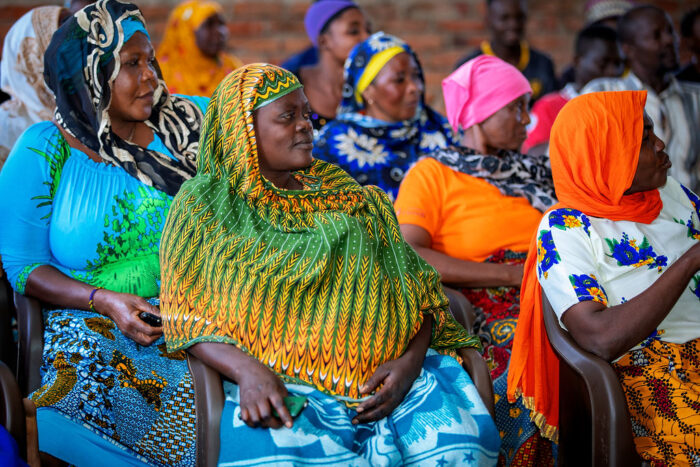
- 2,227 women have taken on leadership positions in their communities.
- Women report increased confidence in decision-making and advocacy, with 97% in Ethiopia, 91% in Kenya, and 98% in Tanzania feeling empowered to engage in climate policy discussions.
- Women-led initiatives are driving change, including advocacy for gender-responsive agricultural budgets.

KEY FINDINGS & MAJOR HIGHLIGHTS
Prevention & Response to Sexual and Gender-Based Violence (SGBV):
- Awareness of SGBV prevention and reporting mechanisms has significantly increased across Ethiopia, Kenya, and Tanzania, with women and community members more engaged in prevention efforts.
- In Tanzania, the percentage of young women willing to report SGBV cases rose from 48% to 87%, reflecting increased trust in local services.
- In Ethiopia and Kenya, community dialogues and multi-stakeholder trainings have enhanced the capacity of service providers and local leaders to respond to and prevent SGBV.
- Across all three countries, community watchdog groups and local service providers are now better equipped to support survivors and advocate for stronger protections.
KEY FINDINGS & MAJOR HIGHLIGHTS
Climate-Resilient Food Systems
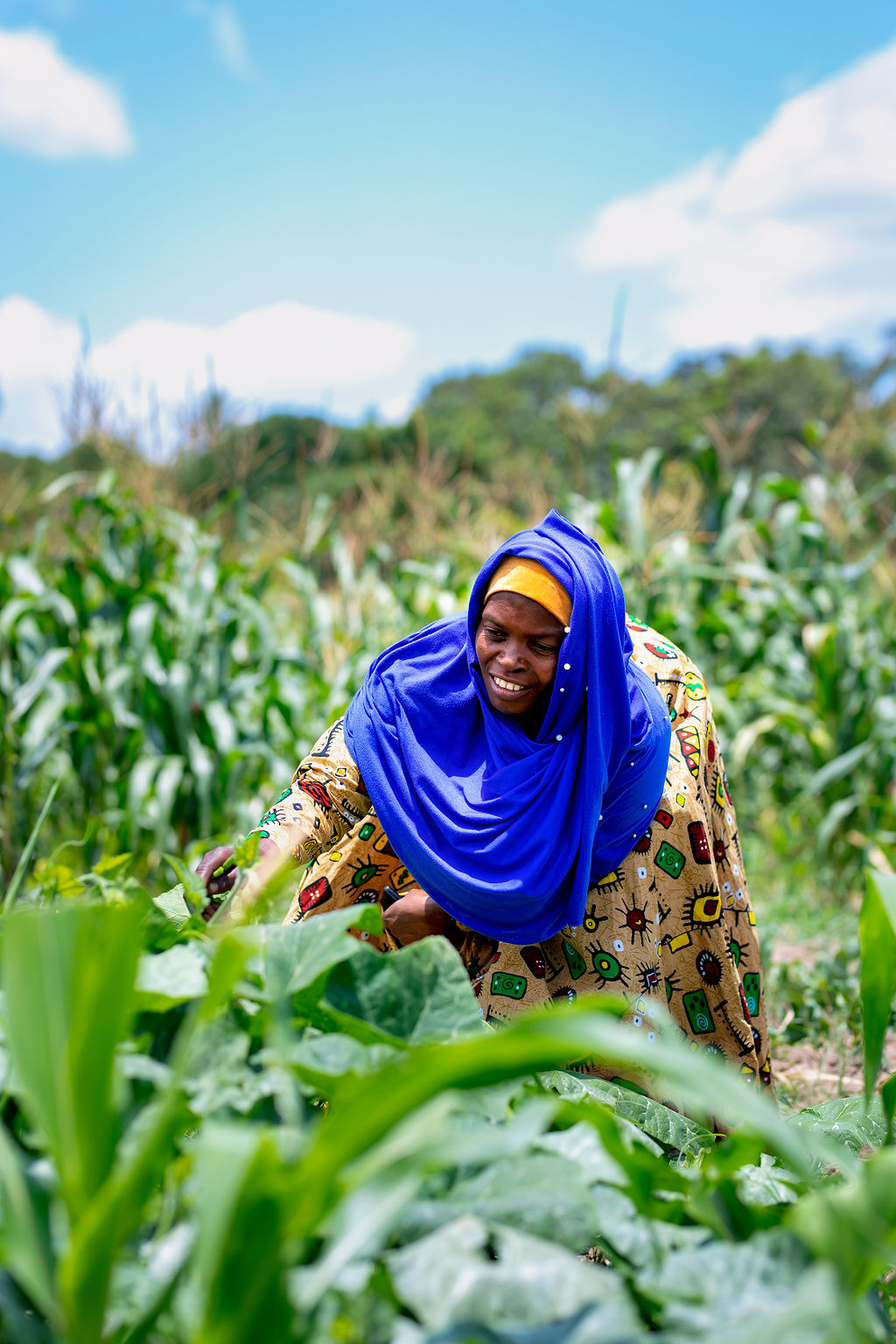
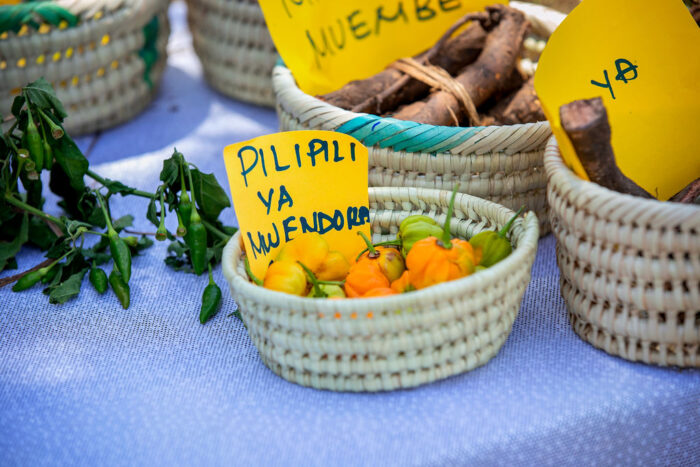
- Agroecological practices such as local seed-saving, crop diversification, organic soil amendments, and sustainable water management have been widely adopted across Ethiopia, Kenya, and Tanzania, reducing reliance on costly external inputs and increasing climate resilience.
- Women’s financial autonomy has improved, with more equitable access to land, credit, and decision-making power over agricultural production.
- Secure land tenure has expanded, with 421 women in Tanzania receiving Certificates of Customary Rights of Occupancy in 2024, while women in Ethiopia and Kenya are gaining stronger recognition of their land rights through advocacy efforts.
- Climate resilience is increasing across all project areas as women-led farming communities apply agroecology techniques to enhance soil health, improve water retention, and strengthen food security in the face of erratic weather patterns and climate-related shocks.
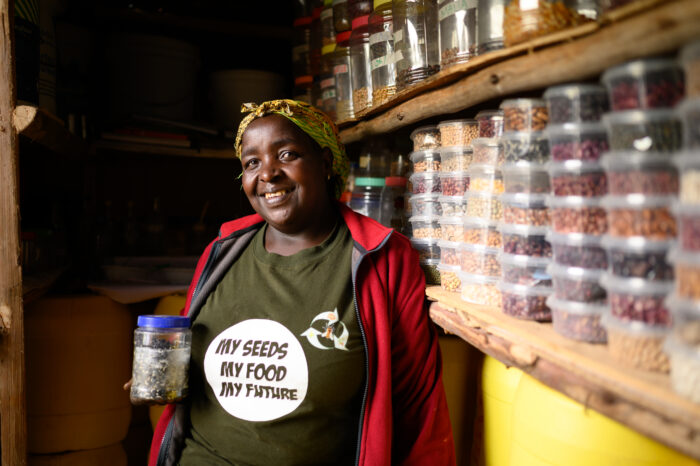
- Community-based adaptation strategies, such as seed banks, agroforestry, and climate-smart farmer networks, are being scaled up across Ethiopia, Kenya, and Tanzania to safeguard local food systems against climate risks.
RWCC’s integrated approach — combining agroecology with gender equality strategies — continues to create lasting change, reducing systemic barriers for women while strengthening food systems and community resilience.
Reports
Explore the latest insights from the RWCC project with the Midline Impact Report and Midline Evaluation Report. These comprehensive reports highlight key findings, progress, and lessons learned from the project. They offer valuable insights into how our approach is fostering sustainable change in partnership with the communities we work with.
You can view the reports as interactive flipbooks or download them for easy access.
RWCC MIDLINE IMPACT REPORT
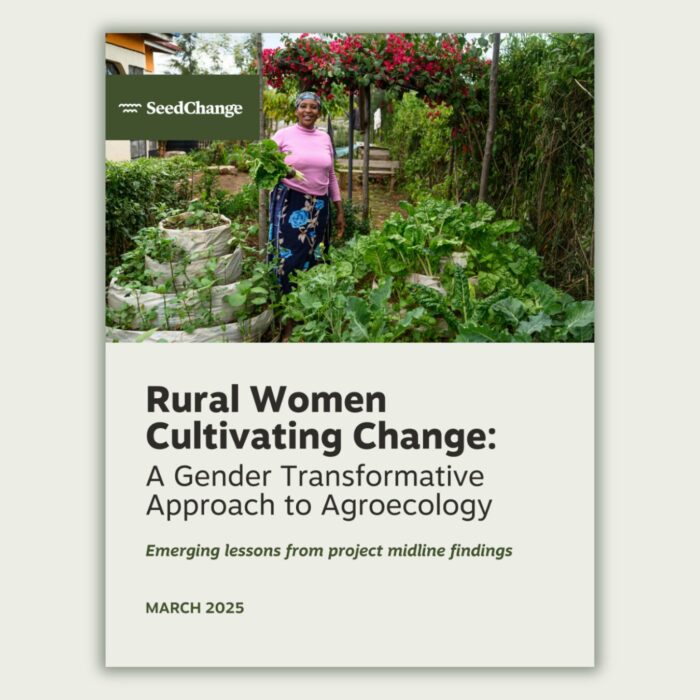
The Midline Impact Report includes emerging lessons from the Rural Women Cultivating Change (RWCC) project’s midline findings.
RWCC MIDLINE EVALUATION REPORT
The RWCC Midline Evaluation Report (2024), submitted to SeedChange by Common Path Consulting (Canada), provides a detailed analysis of the project’s impact.
Meet the Farmers
Discover the inspiring stories of women farmers who are part of the Rural Women Cultivating Change (RWCC) project in Ethiopia, Kenya, and Tanzania.
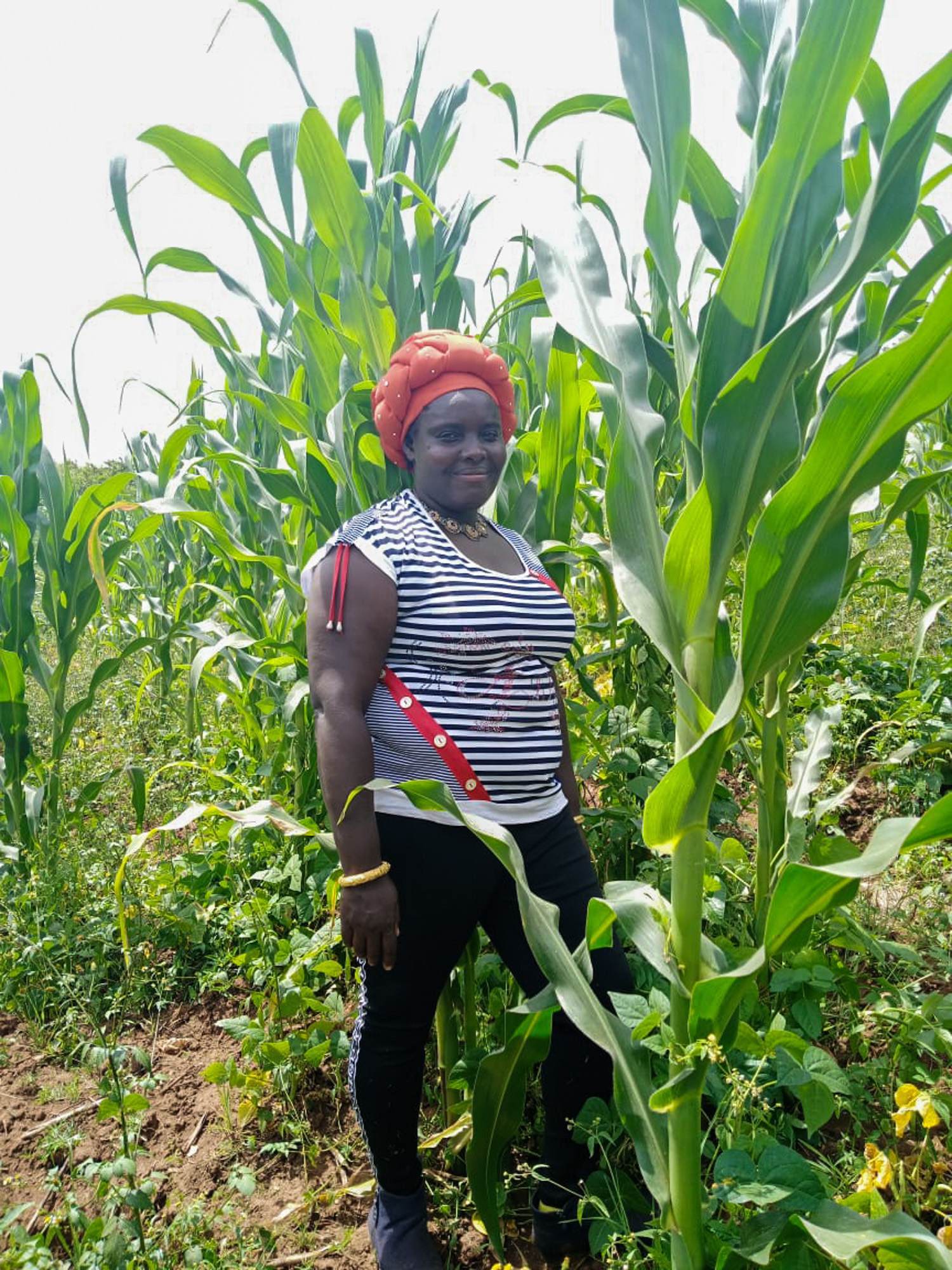
MEET THE FARMERS
Kenya’s Agroecology Movement: Martha Njenga Empowering Farmers
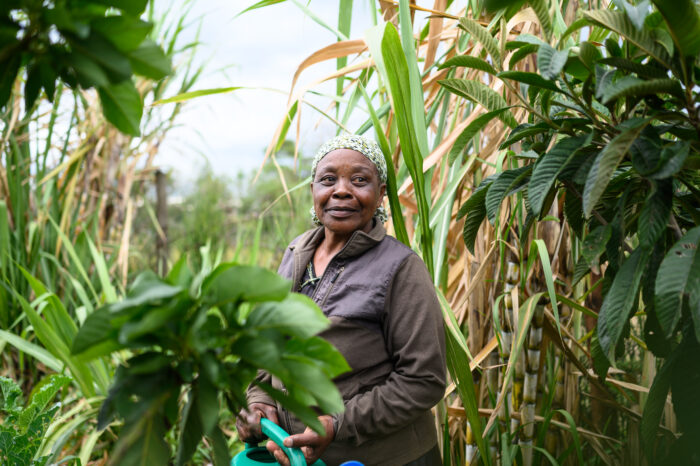
In Kamathatha village, Nakuru County, Kenya, Martha Njenga has become a prominent leader in the agroecology movement. Initially facing numerous challenges in the semi-arid region, Martha struggled with unreliable rainfall and harsh temperatures that made farming difficult.
“Gilgil is a dry region, and timing the planting period was tough because the planting holes couldn’t retain moisture for long,” she recalls.
However, after participating in agroecological training, Martha adapted her farming practices, using sunken beds to retain moisture and employing glass bottles and ash to preserve seeds. “Farming and storage used to be problems, but now I have seen some real changes,” she says.
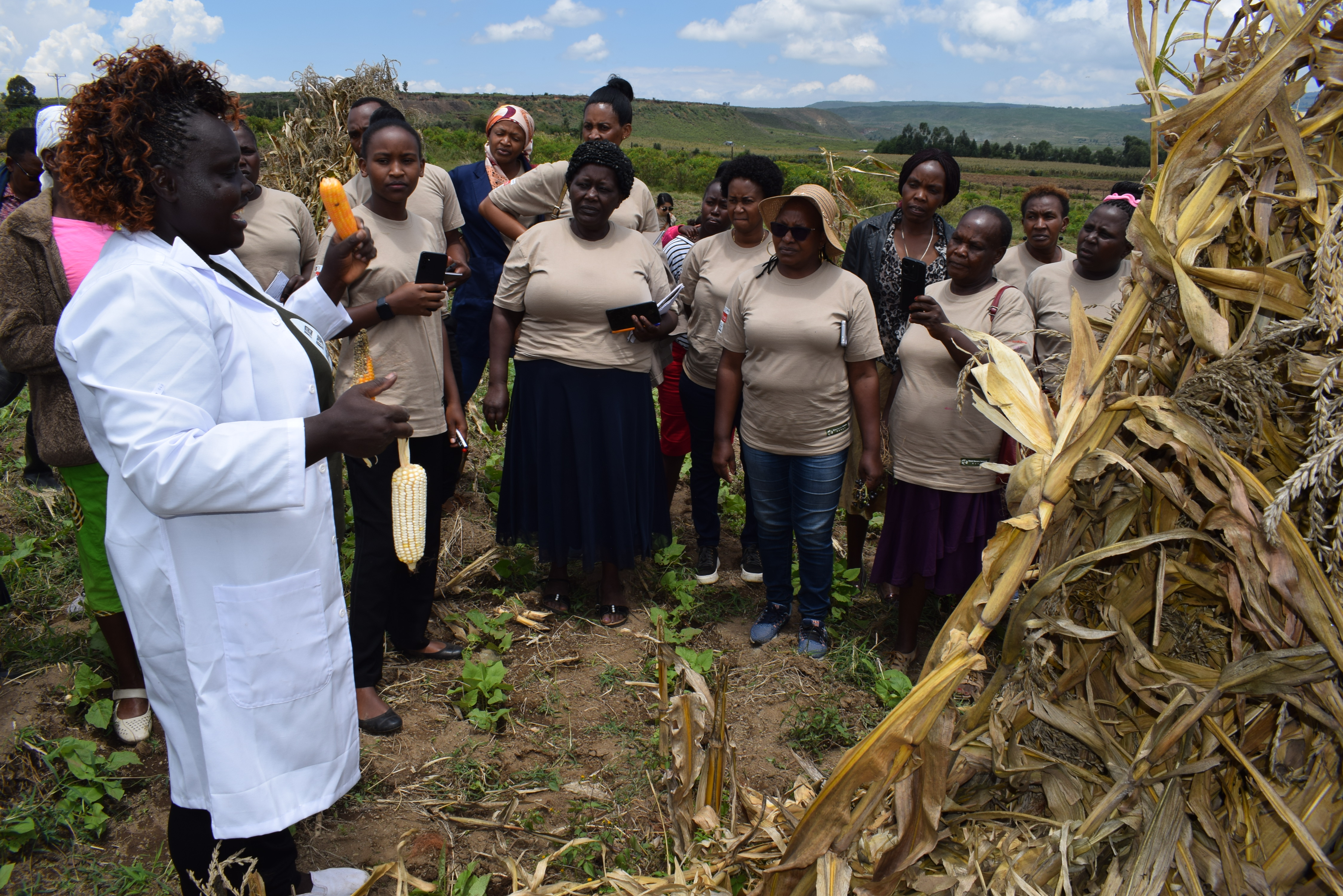
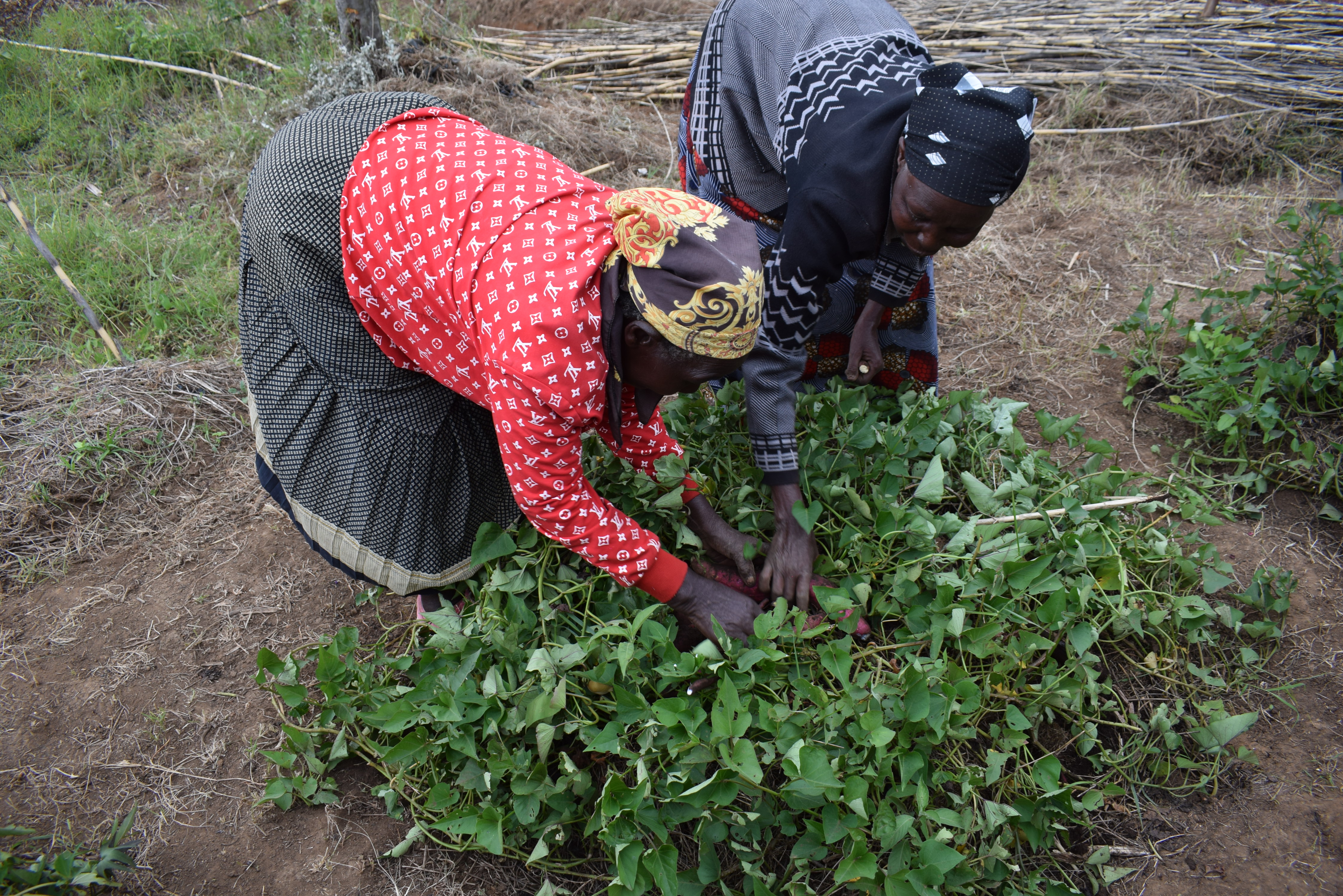
As a member of Seed Savers Women SACCO, Martha gained access to credit, which allowed her to purchase a 10,000-liter water tank for irrigation. “Before the Seed Savers Women SACCO tank came into my life, water scarcity was a major challenge,” Martha shares. “It provided a reliable water source, essential for sustaining crops through dry spells.” This water tank has enabled Martha to diversify her crops, grow year-round, and support both family consumption and surplus sales.
Today, Martha grows a variety of crops, including pumpkin leaves, cowpeas, amaranth, and African nightshade, and supplies them to Nyakazi Organics, a local enterprise supported by Seed Savers Network and the RWCC project. Martha’s leadership extends beyond her farm, as she trains over 40 local farmers in agroecology, including multi-storey kitchen gardens that use minimal space and water.
Martha has also embraced social media to spread her knowledge, with her TikTok videos reaching over 50,000 viewers. Her content, which covers topics like seed preservation, water harvesting, and crop diversification, has garnered millions of views. As a result, visitors from across the country come to learn from her and purchase her products.
Martha’s ultimate goal is to open a seed bank to educate youth and women about preserving Indigenous crops and strengthening food security, continuing her inspiring journey as a champion for sustainable farming and community empowerment.
MEET THE FARMERS
Tanzania’s SGBV Advocacy: Magreth Basso Defending Rights
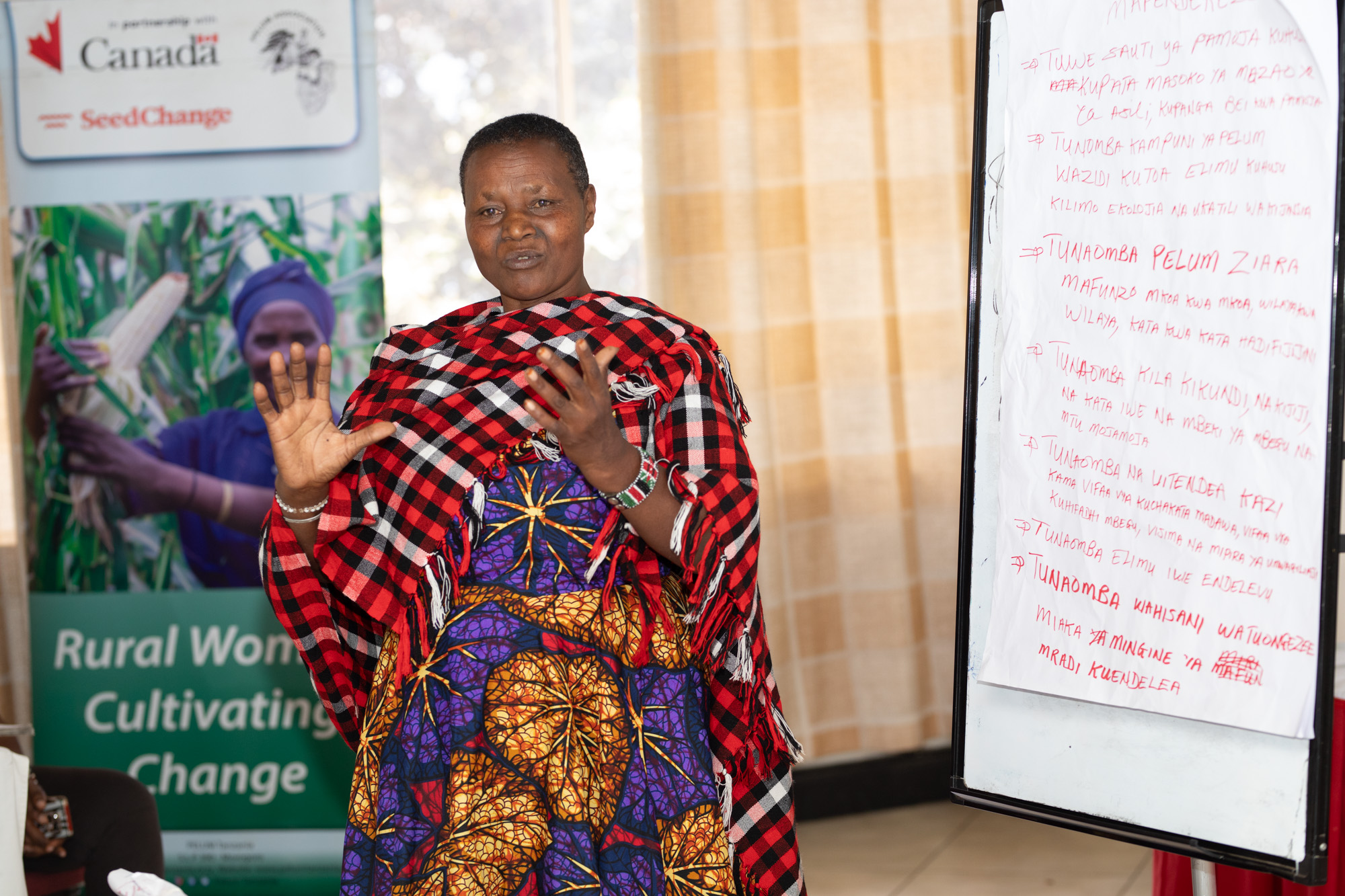
Magreth Basso, a farmer from Mwinkantsi village in Babati District, Tanzania, exemplifies the transformative power of women’s empowerment through agroecology and leadership in Sexual and Gender-Based Violence (SGBV) prevention. As chairperson of the Hyaidadonga farmers’ group, Magreth has extended her leadership beyond farming to address SGBV in her community.
Before joining the RWCC project’s agroecology training in 2022, Magreth faced numerous challenges. Her family farmed a small one-acre plot, primarily growing maize using a monoculture system. Low yields, high costs for inputs, and frequent droughts made it difficult to achieve food security.
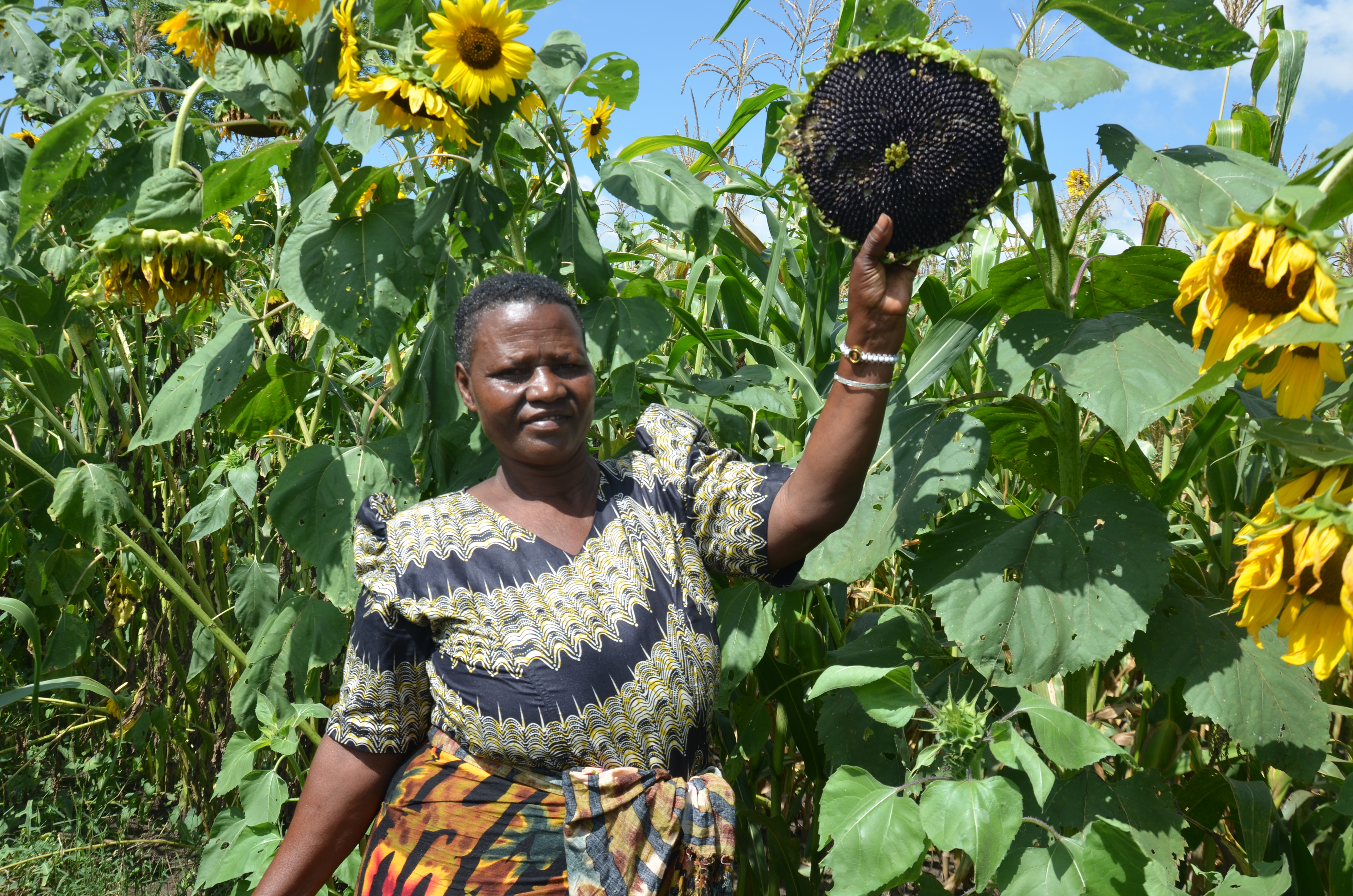
The RWCC training opened new opportunities for Magreth. She learned about crop diversification, intercropping, and natural farming practices like biopesticides. These skills helped her expand her farm to five acres, where she now grows maize, sunflower, cowpeas, peas, and millet. “The demand for yellow maize in my community is high,” Magreth explains. “People used to travel to Babati Town to buy it for their children, but now they come to me for both maize and seeds.” Her yields increased, and she harvested 40 bags of maize, 10 bags of cowpeas, and 8 bags of sunflower.
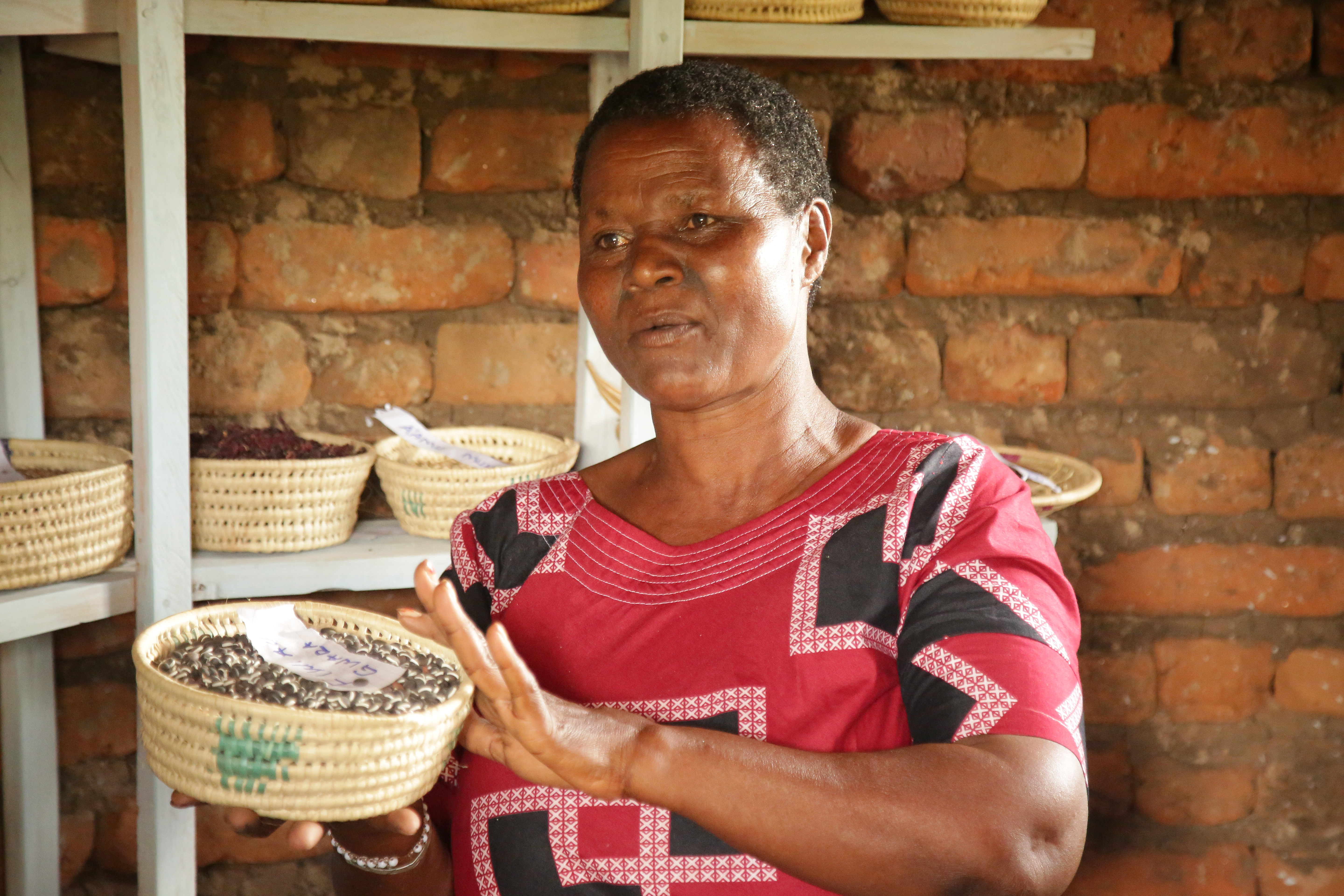
Magreth also established a household seed bank to store and share seeds, ensuring future food security and fostering a culture of self-sufficiency. Her leadership extends to fighting SGBV, where she helped secure justice for a young rape survivor, leading to the perpetrator’s conviction and a 30-year prison sentence.
Recognized for her dual leadership in agroecology and SGBV prevention, Magreth has been nominated for a position on the village council in the upcoming November 2024 local elections. Her journey reflects how empowering women with knowledge and resources can drive lasting change and build more resilient communities.
MEET THE FARMERS
Ethiopia’s Climate-Resilient Farming: Adhina Molla Driving Change
Adhina Molla, a member of the “Betesfa” Self-Help Group (SHG) in Goshweha Kebele, Ethiopia, has experienced a profound transformation through the RWCC project, which aims to foster climate resilience and economic empowerment for rural women. In North Wollo, where women play a central role in agriculture but face limited access to land and resources, Adhina’s story reflects the power of knowledge and leadership in overcoming these challenges.
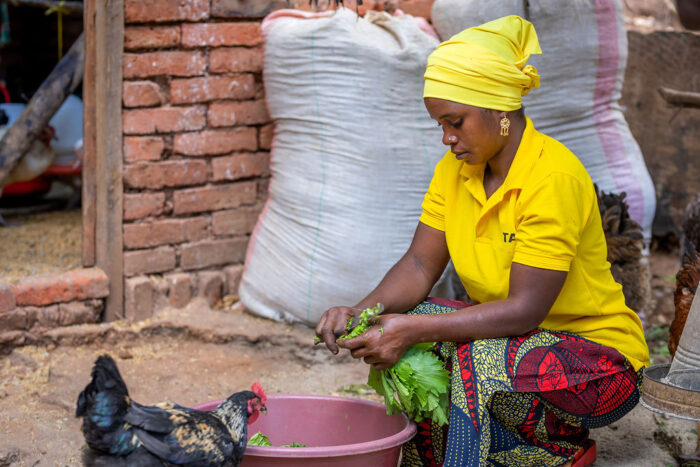
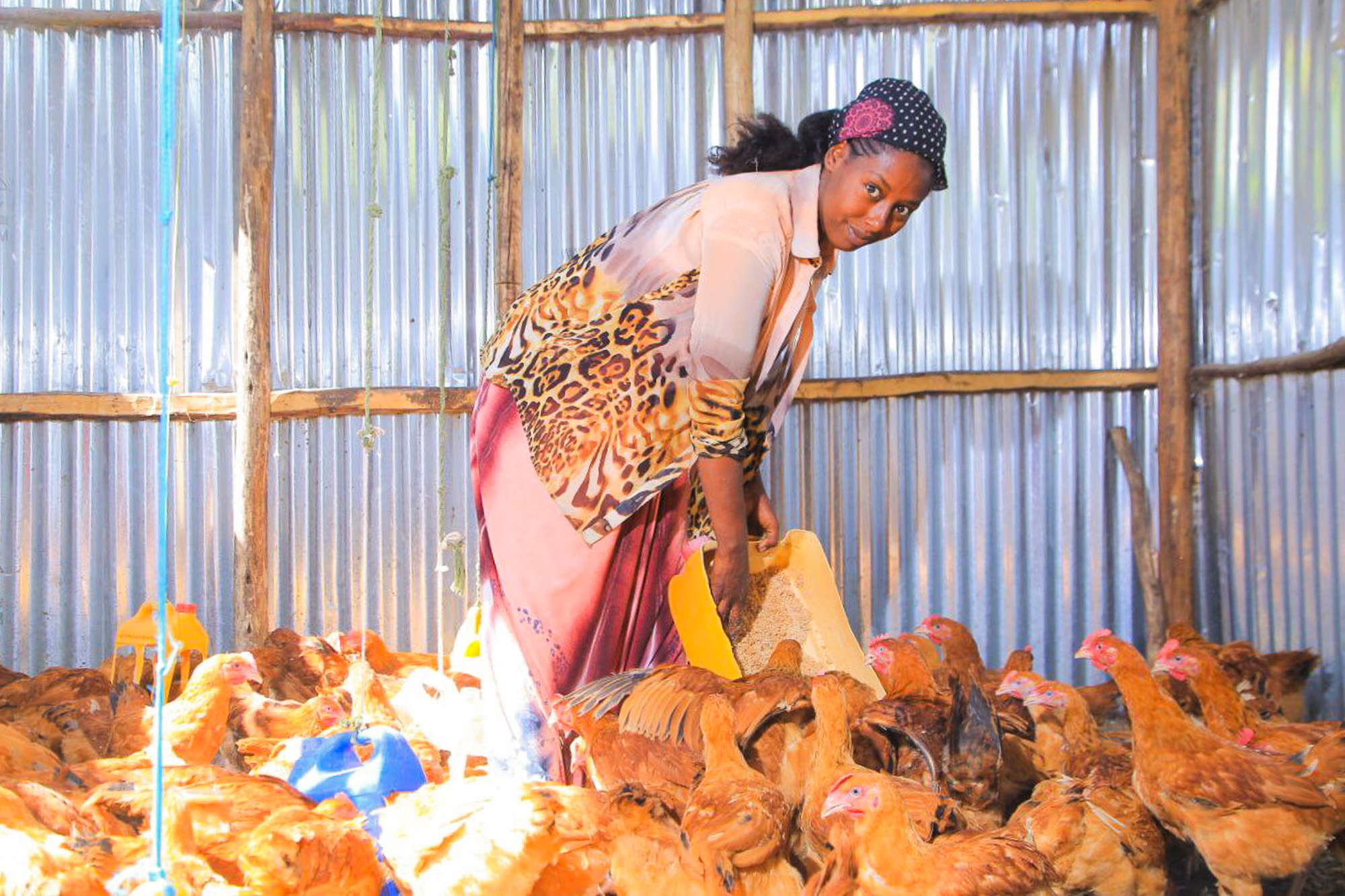
Before joining RWCC, Adhina faced significant livelihood struggles. A returnee from an Arab country, she felt stressed by the scarce resources available to her family. When the project came to her kebele in 2021, Adhina seized the opportunity to participate in training on poultry farming. “I had no idea about poultry farming’s potential benefits,” she shares. “The training opened my eyes.” Armed with newfound knowledge, Adhina invested her own 4,500 Birr to buy 30 chicks, later receiving 16 more from the project. She earned 46,000 Birr from selling eggs and chickens, a sum that spurred her to take a 20,000 Birr loan from her SHG to expand her business. “My income increased, and I became financially independent,” she explains.
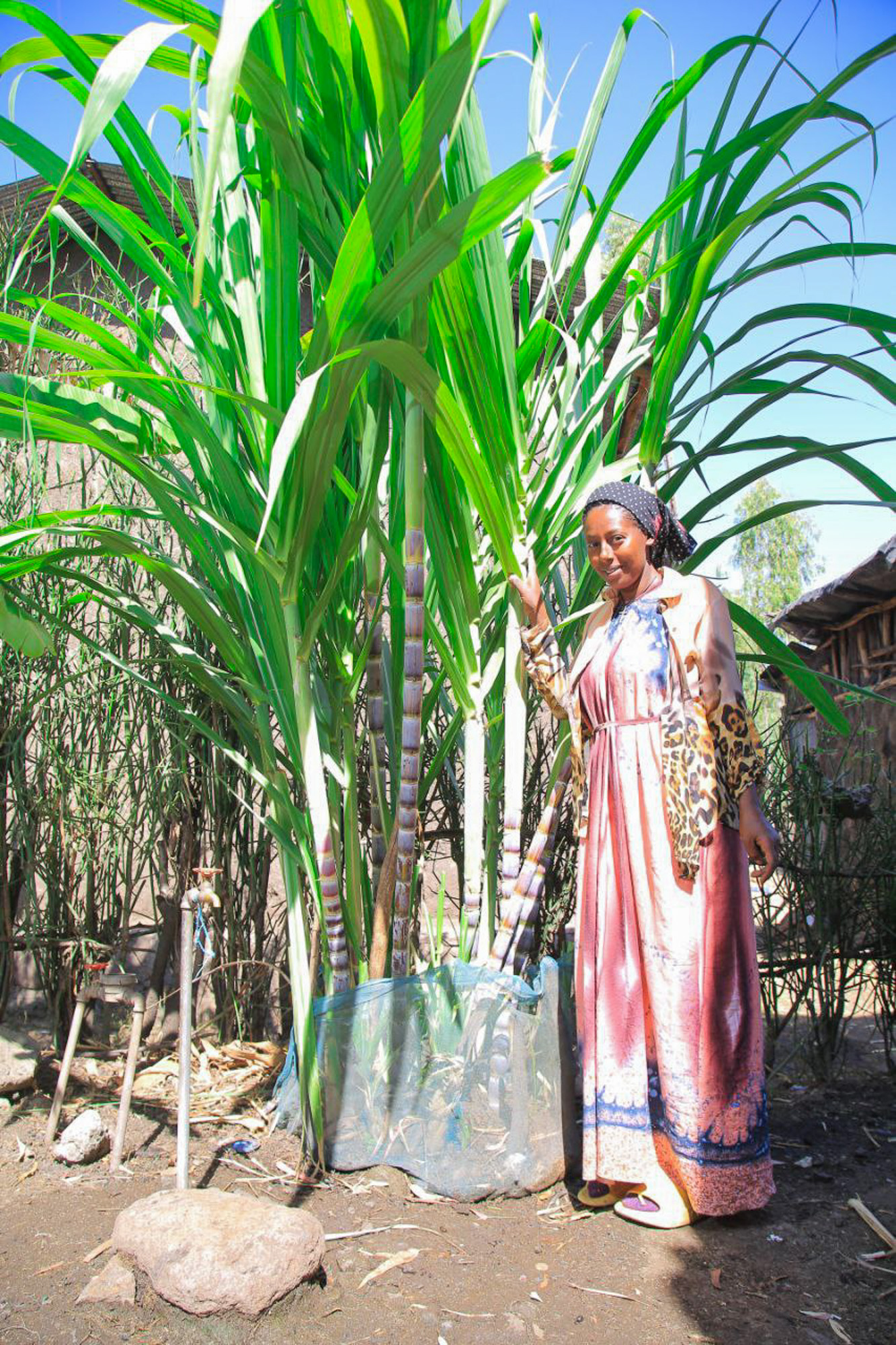
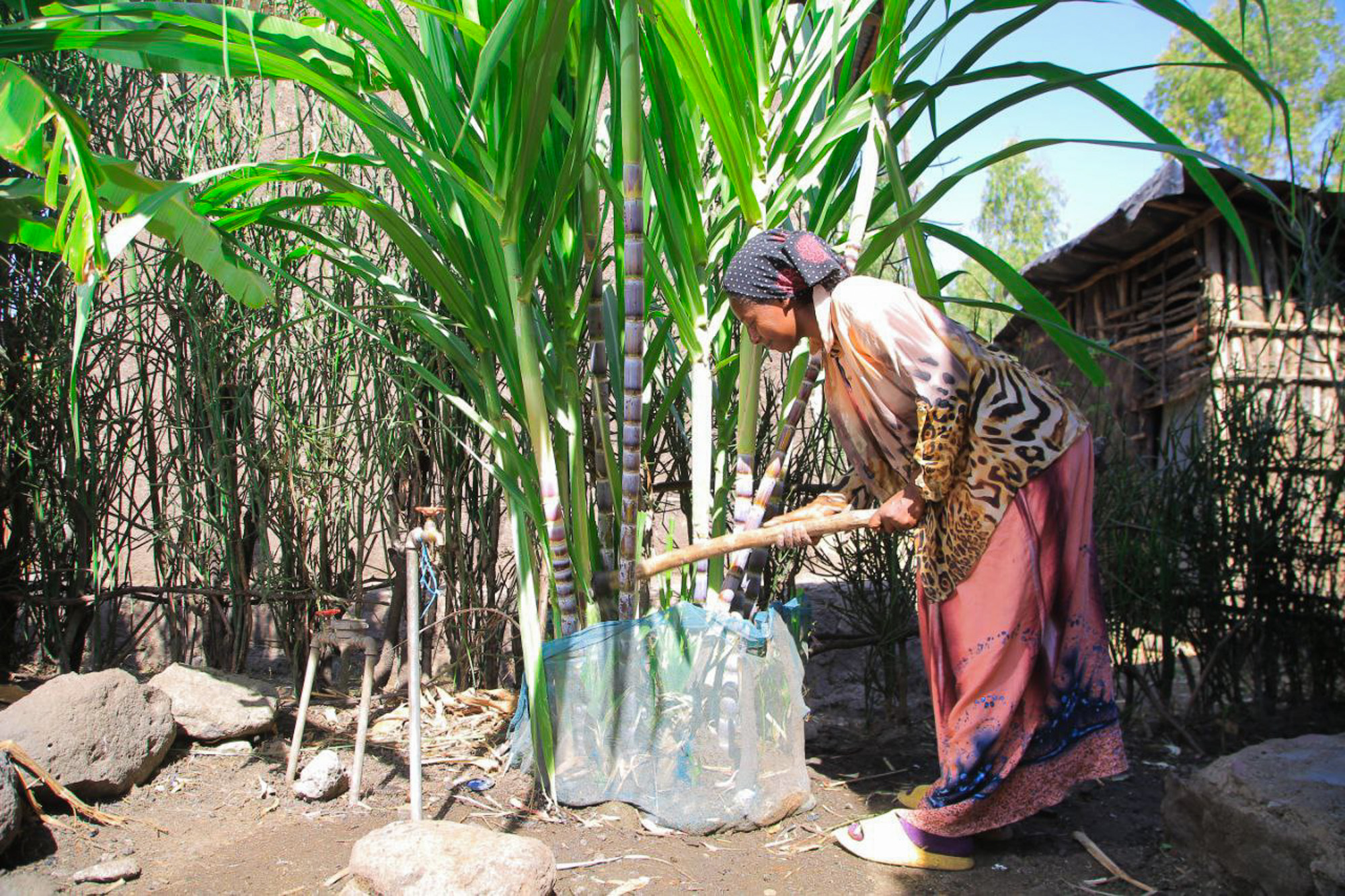
In addition to poultry farming, Adhina grows vegetables on her homestead, using chicken manure to enhance soil fertility. This not only supports her family’s nutrition but also saves money otherwise spent on market vegetables. “The project has greatly improved my family’s livelihood by increasing our income and soil fertility, leading to higher crop productivity,” Adhina notes.
Adhina’s success has inspired her to become an entrepreneur, distributing 45-day old chickens to farmers and institutions. Her leadership and confidence have grown, allowing her to play an active role in decision-making within her family and community. “We can now cope with crop loss due to irregular rainfall and pests,” she says.
Adhina’s journey is a testament to how the RWCC project’s focus on agroecology and climate resilience empowers women to adapt to climate challenges, improve their livelihoods, and lead their communities.
In the Field
This video series takes you to the heart of Morogoro, Tanzania, where farmers share their journeys as part of the Rural Women Cultivating Change (RWCC) project.
At this midway point of the initiative, you’ll hear directly from women and men whose lives are being transformed through sustainable farming, leadership development, and resilience-building practices. Their experiences highlight the challenges they face, the progress they’ve made, and their hopes for the future.
This collection of powerful stories brings you closer to the impact of RWCC, showcasing the strength and resilience of these communities.
Key Milestones
Some of the key milestones of the Rural Women Cultivating Change (RWCC) project.
2022
Project launch, with 26,780 rural women and 10,810 men engaged as direct participants.
2023
Implementation of community-led gender analysis workshops, farmer training on agroecology, and SGBV prevention programs.
2024
Midline evaluation completed, confirming progress in women’s empowerment, SGBV response, and climate resilience.
2025-2027
Continued advocacy for gender transformative agricultural policies, expansion of agroecology training, and increased community leadership opportunities for women.
Future Direction & Project Impact
The RWCC project will continue to build on its successes by:
Scaling up women-led agroecology initiatives to enhance biodiversity and support climate resilient food systems.
Expanding leadership training and mentorship for women in rural communities.
Strengthening policy advocacy to ensure government commitments to gender equality and sustainable agriculture.
Enhancing SGBV prevention and survivor-centered response through community engagement and improved services.
RWCC’s long-term impact lies in creating a supportive, rights-based framework that enables women to lead in their households, communities, and food systems, ensuring lasting resilience for generations to come.
Conference
The 2nd Eastern Africa Agroecology Conference, taking place in Nairobi, Kenya, from March 25 to 28, 2025, brings together leaders, practitioners, and researchers to share knowledge and advance agroecology practices in East Africa.
This section features conference presentations, papers from SeedChange and our partners, as well as other valuable materials highlighting our collaborative efforts towards sustainable, climate-resilient food systems.
ACADEMIC PAPERS:
PUBLICATION:
Harvesting Equality: Gender, Governance, Stewardship, and Decolonial Futures in Kenyan Agriculture (2025), by J Osogo Ambani & Melissa Mungai (eds).
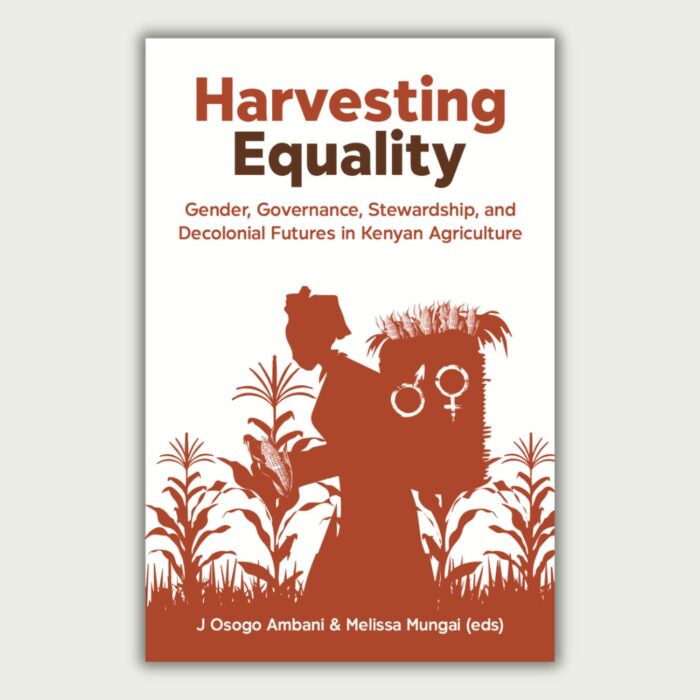
Harvesting Equality: Gender, Governance, Stewardship, and Decolonial Futures in Kenyan Agriculture explores the vital yet often overlooked role of women in Kenya’s agricultural sector. Despite contributing up to 65% of the country’s agricultural labour, rural women face systemic barriers rooted in colonial-era structures of patriarchy and capitalism. Limited land ownership, restricted access to financial resources, and exclusion from policymaking continue to hinder their full participation.
Developed in partnership with Hivos and supported by SeedChange and the Government of Canada through Global Affairs Canada, this book examines these challenges and calls for policy reforms, institutional change, and greater recognition of women’s contributions. By addressing these inequities, Kenya can unlock the full potential of its agricultural sector and build a more just and resilient food system.
RECORDING:
This conversation was recorded at the 2nd Eastern Africa Agroecology Conference (EAAC) in Nairobi, Kenya, in March 2025. It features a panel of farmers from Ethiopia, Kenya, and Tanzania who are part of the Rural Women Cultivating Change (RWCC) project.
Rural Women Cultivating Change (RWCC) is a project of SeedChange, made possible thanks to Global Affairs Canada, Coady Institute, and local partner organizations in Ethiopia, Kenya, and Tanzania.
For more information about the RWCC project or to explore collaboration and partnership opportunities, please contact Jeff de Jong, Director of International Programs, at jdejong@weseedchange.org.