





Trax Ghana and The Beela Project
Strengthening Local and Indigenous Food Systems
in Ghana
The Vision: A Future Rooted in Seed Sovereignty and Food Justice
Trax Ghana and The Beela Project: Strengthening Local and Indigenous Food Systems in the Upper East and North East Regions of Ghana is a multi-year initiative launched in 2024 to strengthen local and Indigenous food systems. With funding from the 11th Hour Project, the project is a partnership between SeedChange, Trax Ghana and The Beela Project.
The initiative focuses on four main areas: seed security assessments and seed fairs; community seed banking and seed exchanges; agroecology and food security; and seed policy and farmers’ rights.
Through training and technical support for farmer leaders, Trax Ghana and The Beela Project help communities assess and improve the security of their local and Indigenous seeds for key crops.
As Custodians of Food Futures, these women are safeguarding ancestral seeds, cultural heritage, and community resilience for generations to come.
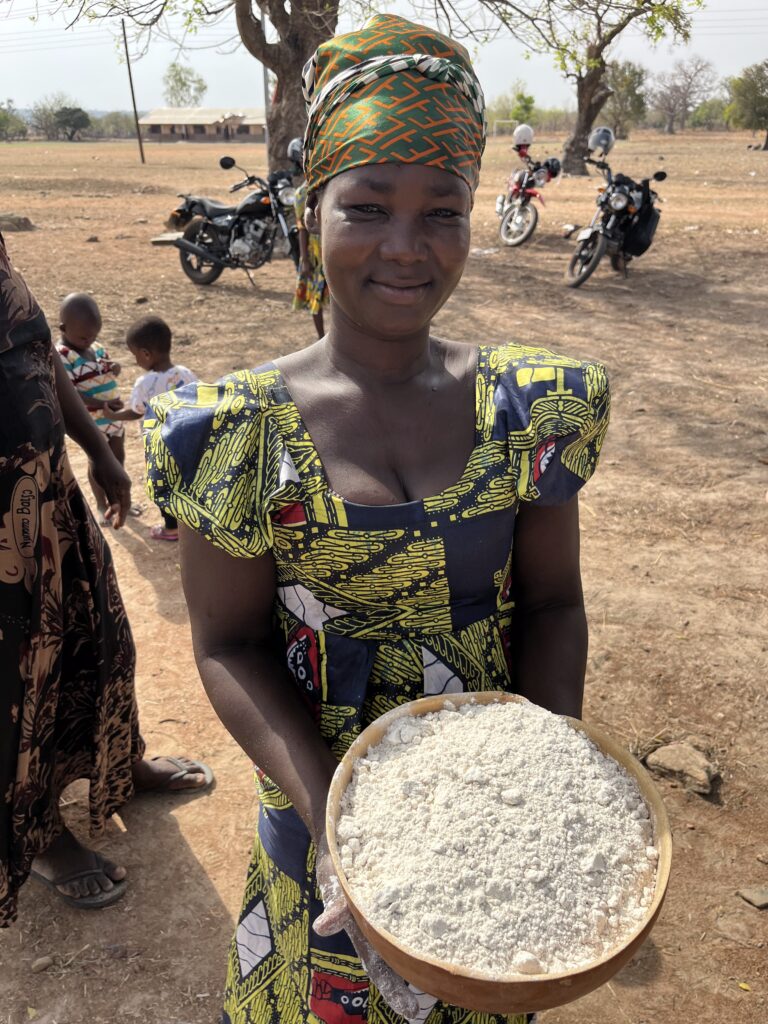
Stella Atiah Aganpoka
In Beo Tankoo, Ghana, Stella Atiah Aganpoka is safeguarding ancestral recipes like Gengilemah La Tuntui Zeero — a dish that fuels hard work, honours tradition, and strengthens community health.
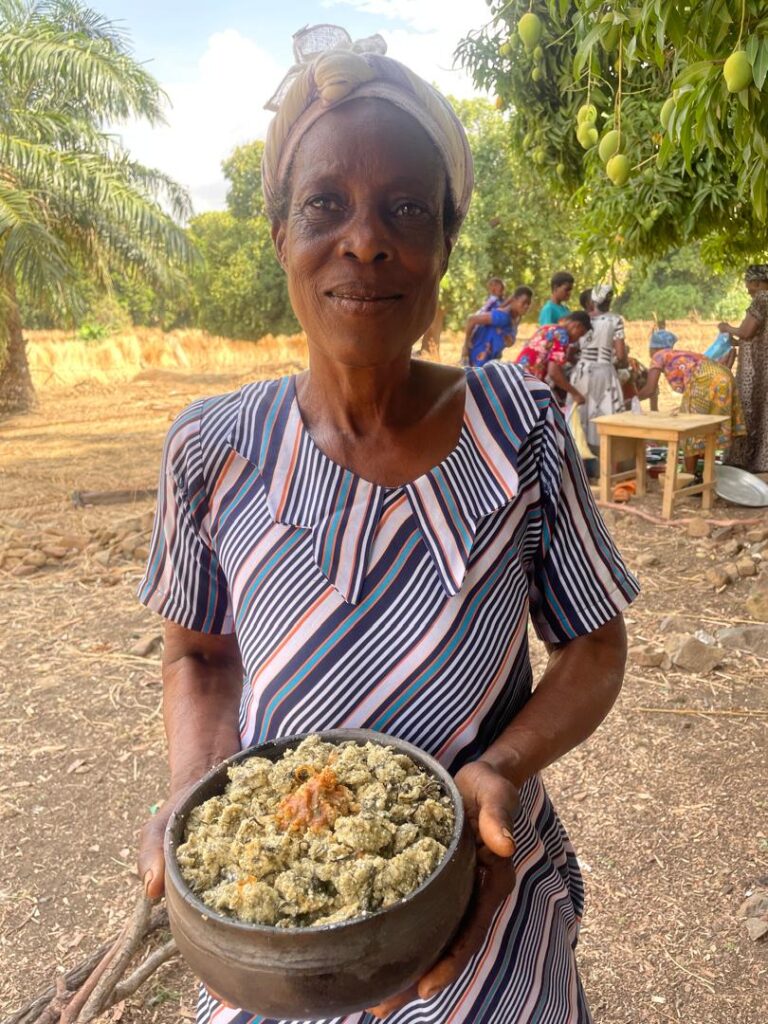
Kpalzee Kurug
In Damolgo Tindongo, Kpalzee Kurug keeps Waha alive — a humble yet powerful dish once called “the lazy wife’s friend,” celebrated for rescuing families from hunger and sustaining community resilience.
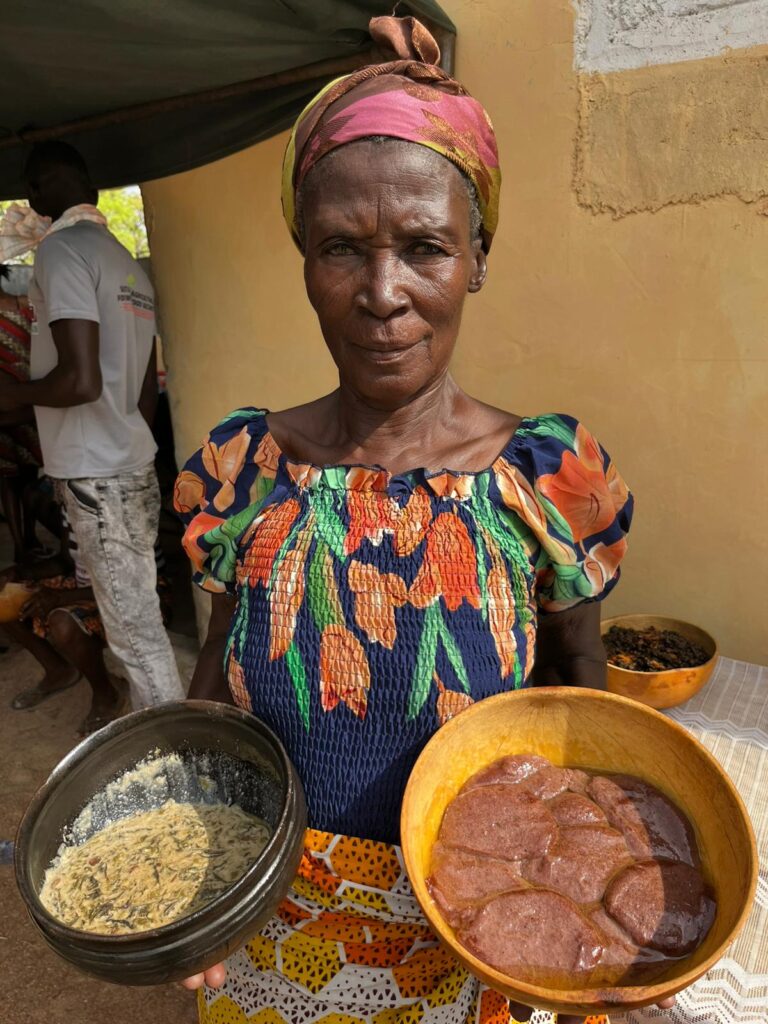
Pogyang Simbil
In Potin, Pogyang Simbil protects Kemoliga Sagebo La Bito Zeero — a sorghum-based dish she calls her medicine, cherished by the Nabt people as both daily nourishment and a pillar of cultural survival.
The Impact
Across 20 communities in Ghana, 17,650 people are shaping their food future
20 communities, reaching 3,530 households (17,650 people).
19 communities participated in seed exchanges, with 709 participants overall — 77% of them women — and 91 farmers exchanging diverse seeds and knowledge.
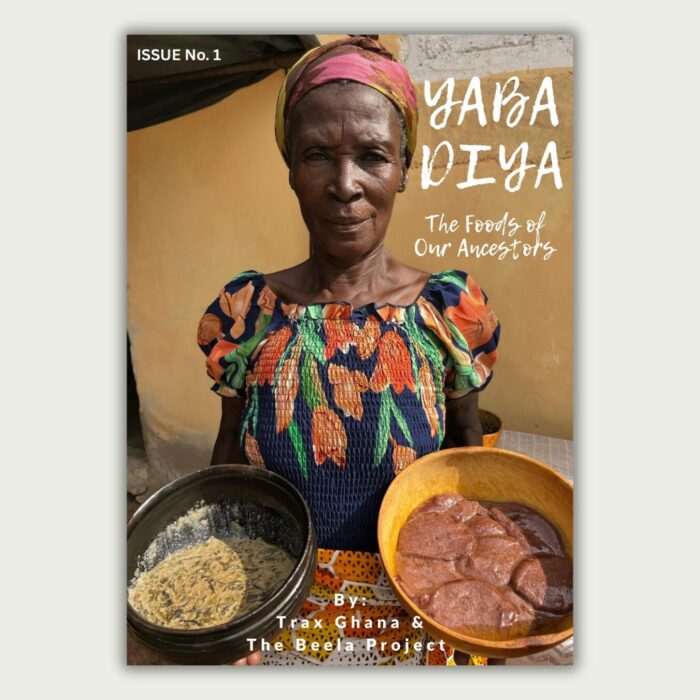
769 people — 77% women — took part in Indigenous cooking events across 20 communities, culminating in the publication Yaba Diya: The Foods of Our Ancestors.
Yaba Diya:
The Foods of Our Ancestors
Discover Yaba Diya: The Foods of Our Ancestors — a community-led book celebrating the rich food heritage of Ghana’s Upper East and North East Regions. Through intergenerational cooking gatherings in 20 communities, elders shared the stories and histories behind traditional dishes, connecting local recipes to the Indigenous seeds that sustain them. This publication preserves cultural knowledge, highlights the importance of protecting seed diversity, and creates a bridge for future generations to learn from their ancestors.
Trax-Beela is proving that when farmers lead with their seeds, communities can reclaim their future — not just growing nutritious and diverse food, but building a movement to protect biodiversity, restore resilience, and ensure generations to come can thrive.
Meet the Custodians of Food Futures in Upper East and North East Ghana
The women who prepared and shared these traditional dishes are more than keepers of recipes — they are Custodians of Food Futures. Through their leadership, knowledge, and care, they are safeguarding Indigenous seeds, promoting nutritional diversity, preserving cultural heritage, and ensuring that future generations inherit not only the foods of their ancestors, but the resilience and sovereignty that comes with them.
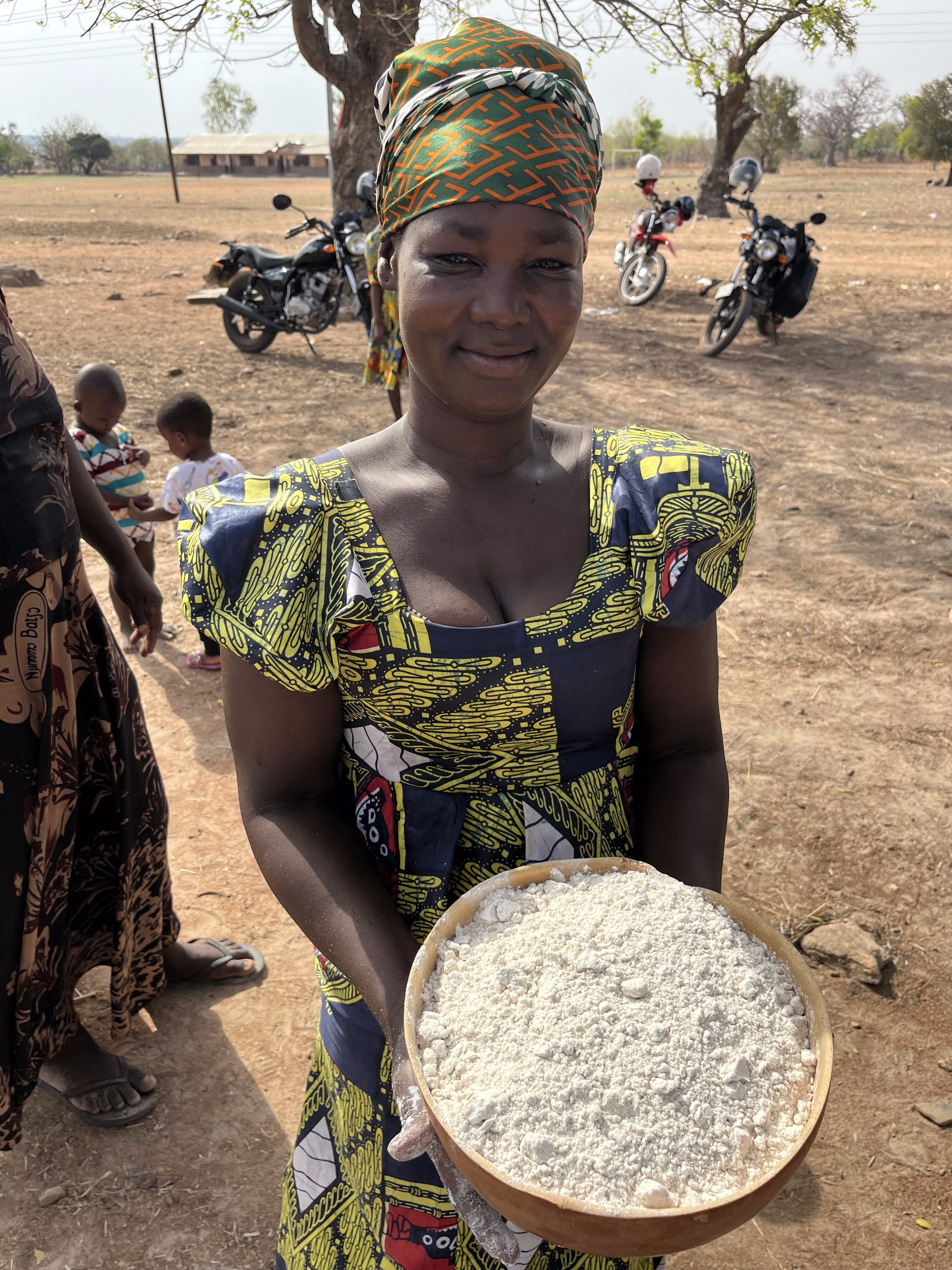
MEET THE CUSTODIANS
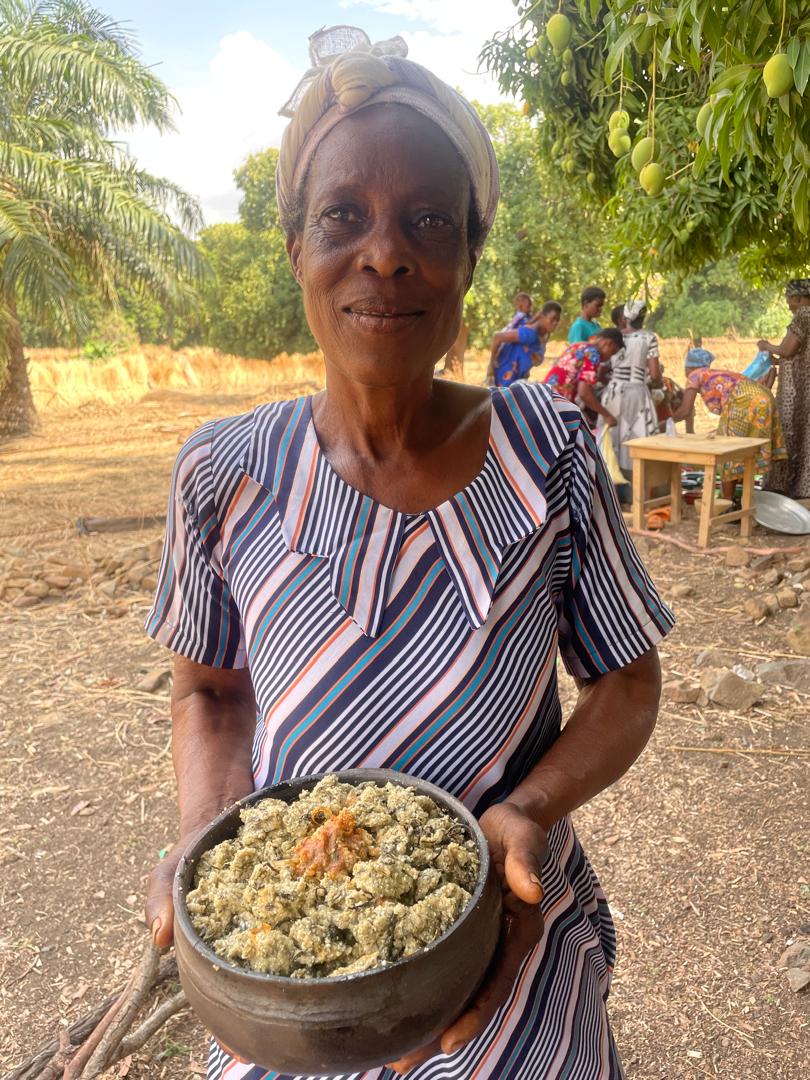
Stella Atiah Aganpoka: Preserving Heritage Through Gengilemah La Tuntui Zeero
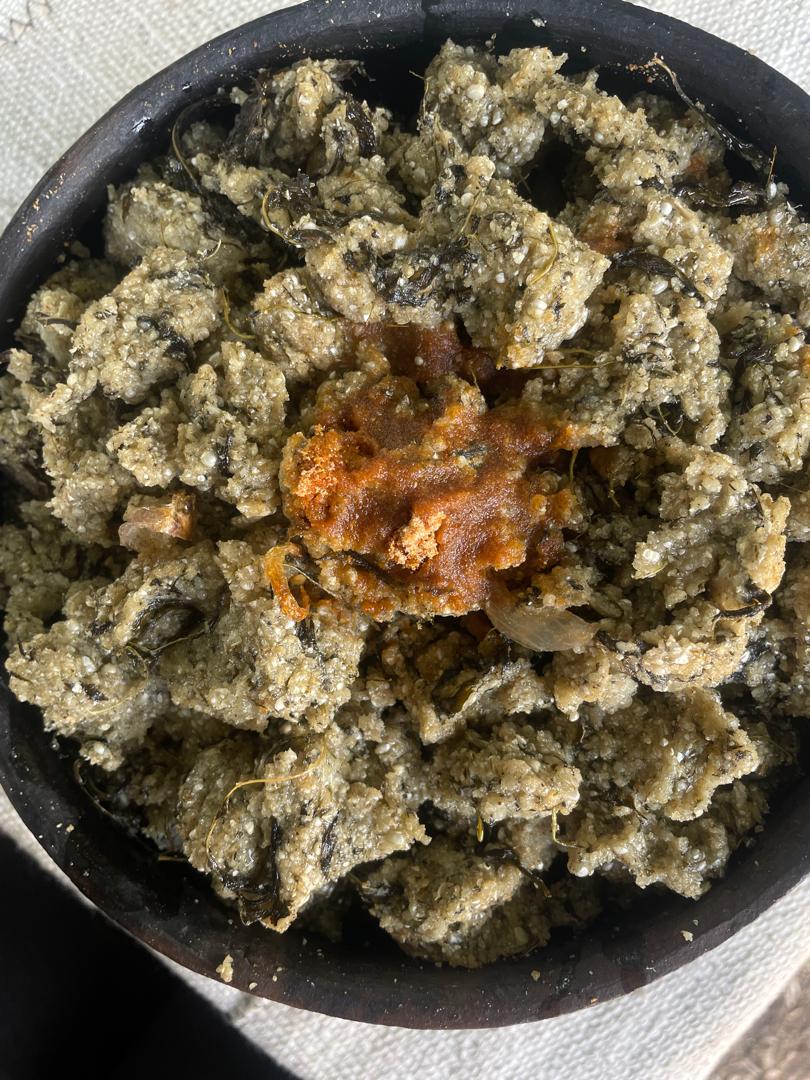
In Beo Tankoo, a small community in Ghana, 39-year-old Stella Atiah Aganpoka has become a custodian of traditional culinary knowledge. Stella prepares Gengilemah La Tuntui Zeero, a nutrient-rich dish that has long been valued for its energy-boosting and health-supporting properties.
“The dish served as a source of energy, an antibodies booster, and stress relief to me,” she recalls.
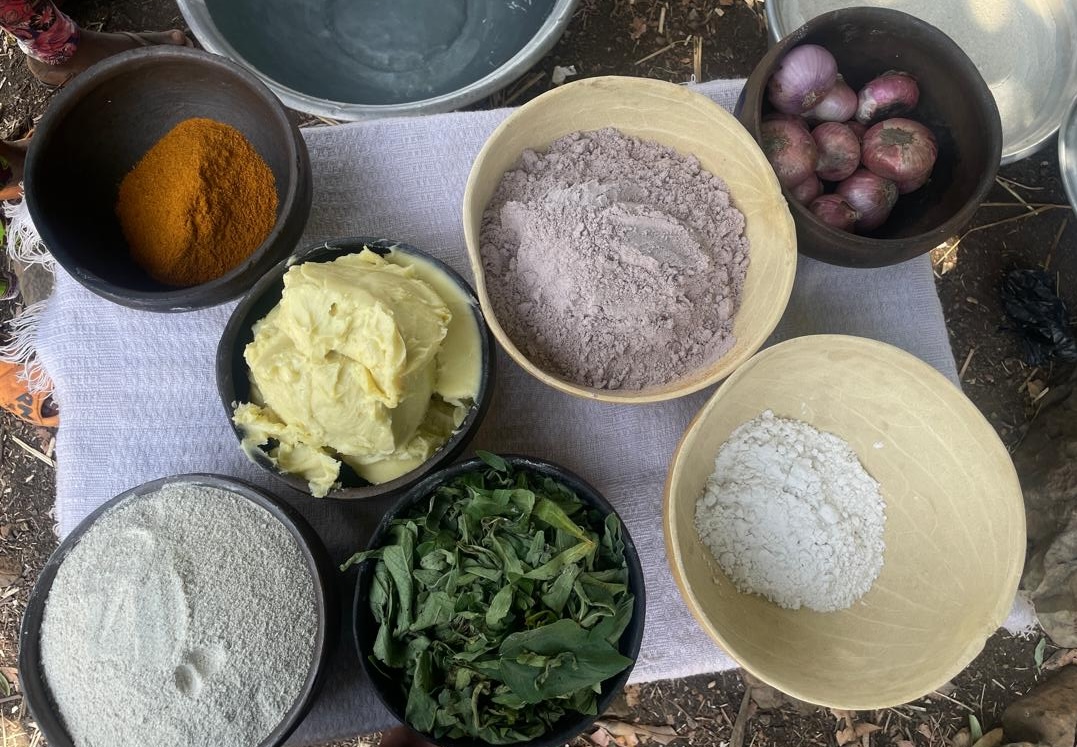
Made with locally sourced ingredients such as Bambara beans, roselle leaves, and shea butter, the dish is naturally high in protein, carbohydrates, and essential oils — key nutrients for proper growth and bodily function. Many of these ingredients, including shea nuts and baobab seeds, are collected freely from the wild, making the dish both sustainable and deeply connected to the land.
Though modern foods have captured the attention of younger generations, Stella ensures the dish is prepared at least once a year to honour ancestral tastes.
Traditionally, tuntui powder mixed with cooked beans is served during funeral celebrations to honour the spirits of the departed, while the Gengilemah itself nourishes large gatherings and cooperative farming groups during long workdays.
Before the Trax-Beela project, Stella was one of the few custodians of this culinary knowledge in her household. Now, thanks to her participation, many community members have learned to prepare the dish, helping preserve both its nutritional and cultural significance.
For Stella, protecting this food heritage is about more than recipes — it is about sustaining community health, honouring tradition, and passing knowledge to the next generation.
Through her dedication, Gengilemah La Tuntui Zeero continues to nourish bodies and connect the people of Beo Tankoo to their roots.
MEET THE CUSTODIANS
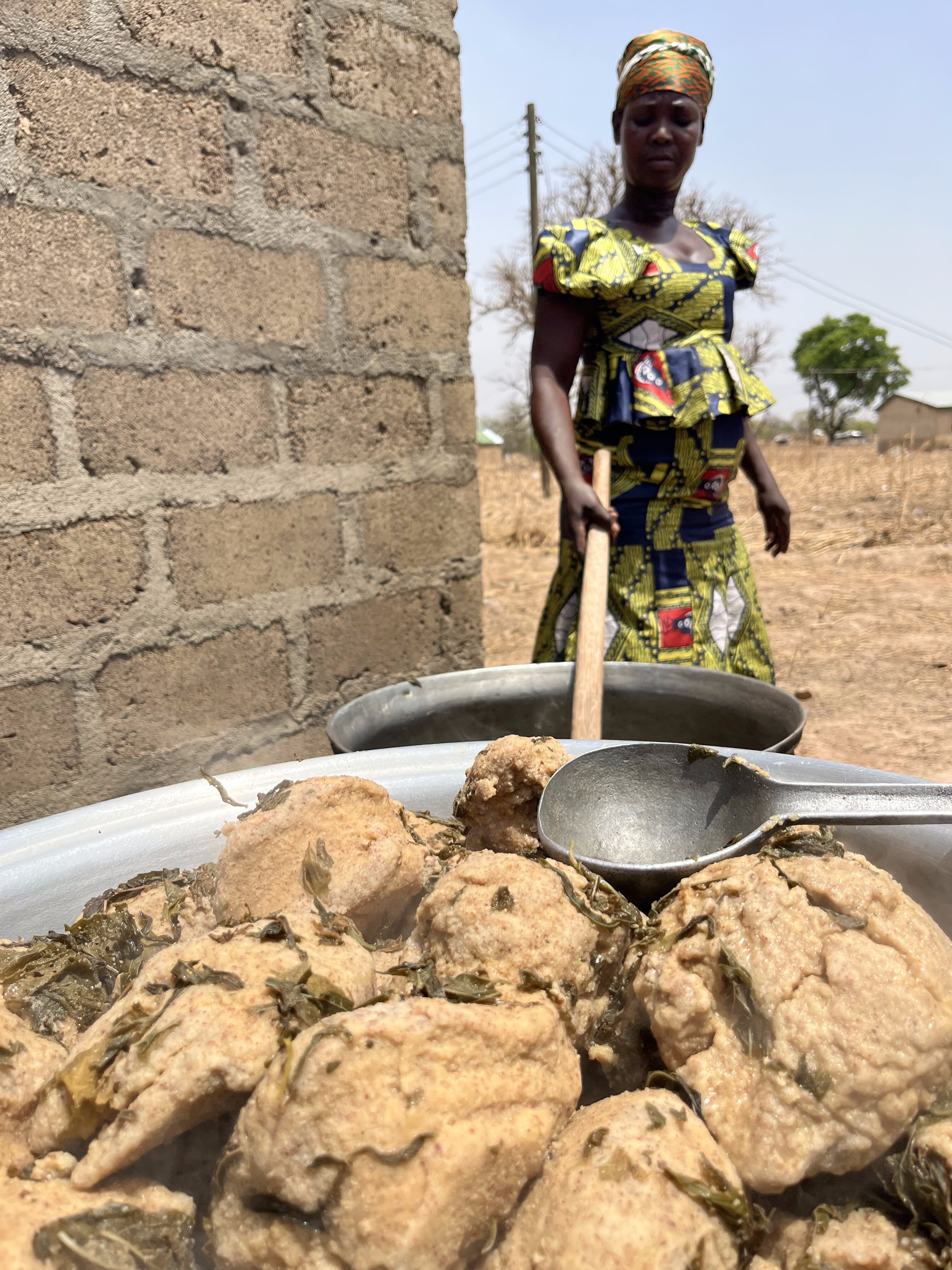
Kpalzee Kurug: Keeping Waha Alive in Damolgo Tindongo
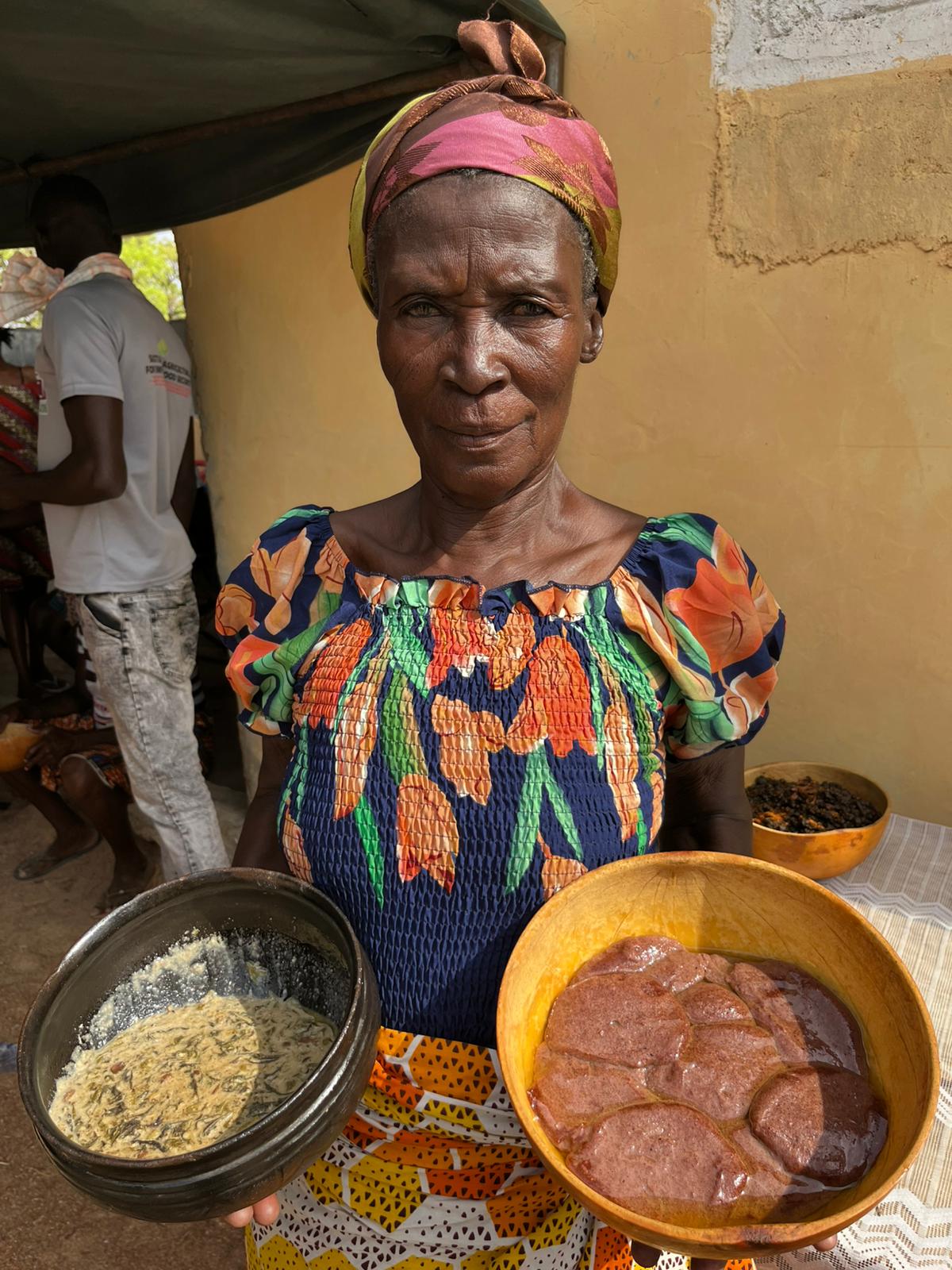
In Damolgo Tindongo, 64-year-old Kpalzee Kurug has become a guardian of a culinary tradition that has sustained generations. She prepares Waha, a simple yet highly nutritious dish that has long been considered a hunger rescuer.
“Waha has contributed a lot to my being alive today,” she shares.
Historically, when hunger was common among households, this dish was relied upon for survival. With the exception of salt, early millet, and pepper, all other ingredients are harvested freely from the wild, making the dish both resource-efficient and sustainable. Its preparation is simple, earning it the nickname “the lazy wife’s friend.”
Kpalzee prepares Waha frequently during periods of food shortage and early millet harvests, both to feed her family and to honour the gods, as tradition demands. The dish is traditionally prepared after the early millet harvest in conjunction with shea butter extraction, serving as a ritual of gratitude for a good harvest. It is also recommended during herbal treatments for ailments such as stomach ulcers and is shared with farmers and family members to provide lasting energy during the day.
Nutritionally, Waha is easily digestible, rich in essential nutrients, and provides an immediate source of energy, making it especially beneficial for workers and individuals engaged in physically demanding activities. The dish is also known to boost blood production, supporting those suffering from anemia. Its economical ingredients help households conserve both food and financial resources.
For Kpalzee, preserving Waha is about more than food — it is about protecting cultural identity, educating the next generation, and ensuring community food security. By safeguarding the knowledge, preparation techniques, and ingredients of this dish, she ensures that Damolgo Tindongo’s heritage and resilience continue to nourish future generations.
MEET THE CUSTODIANS
Pogyang Simbil: Guardian of Kemoliga Sagebo, the Lifeblood of the Nabt People
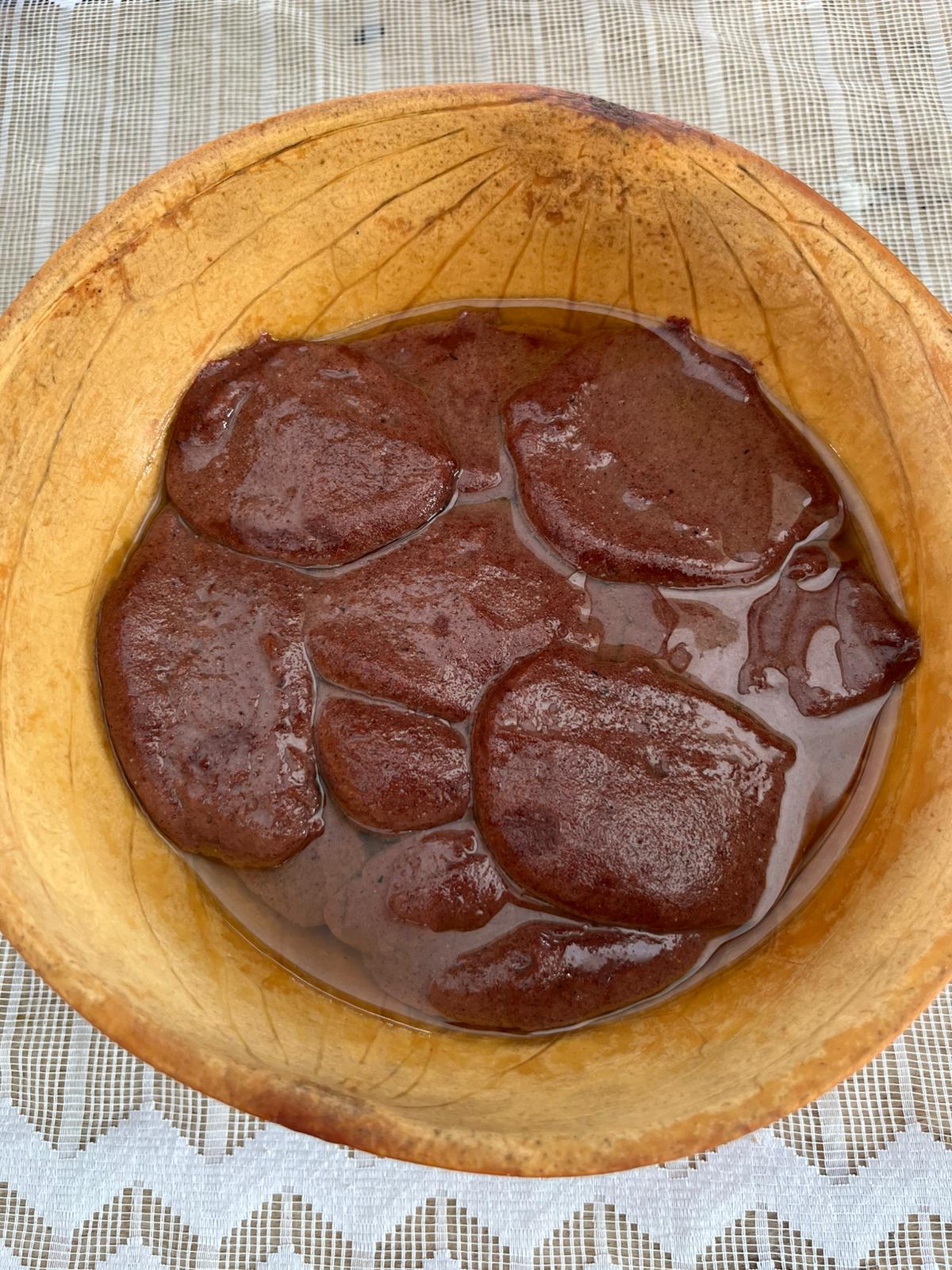
In Potin, 74-year-old Pogyang Simbil is recognized as a keeper of one of the Nabt people’s most essential foods: Kemoliga Sagebo La Bito Zeero, a sorghum-based dish she calls her medicine.
“I have never been to hospital because of the Kemoliga Sagebo and the Zom Kom,” she says. “Anytime I feel short of blood, I take only Kemoliga Sagebo and Zom Kom for one week to boost blood production.”
For the Nabt, this dish is more than nourishment — it is life itself. It is eaten at least three times a week in Pogyang’s household and prepared in every home across the district. Every woman in the community knows how to make it, as it is considered the main dish of the Nabt people.
Kemoliga Sagebo La Bito Zeero holds deep cultural significance. It is present at funerals, naming ceremonies, and all important community occasions. The crop itself is believed to “speak to the soil” and bless other crops, always producing food — even under unfavourable weather conditions. From sorghum also comes pito, the most widely used drink during funerals and traditional ceremonies.
Nutritionally, this dish is blood-giving food, credited with preventing anemia and providing instant energy for work. Leftover TZ (Tuo Zaafi — the sorghum porridge base, often repurposed as a stomach remedy) from the dish, when soaked and drunk, is even believed to cure stomach ulcers and related ailments. To Pogyang, sorghum is the greatest gift of the ancestors — a source of resilience, health, and continuity.
“The dish is the life of the Nabt people” she affirms. “The day the crop that produces it vanishes from the community marks the end of the Nabt people.”
For Pogyang, preserving Kemoliga Sagebo is not just about food — it is about safeguarding identity, culture, and survival itself.
Strengthening Local and Indigenous Food Systems in the Upper East and North East Regions of Ghana is a project of SeedChange, in partnership with Trax Ghana and The Beela Project, made possible thanks to the 11th Hour Project.